
Learn to fly
It's Time to Start Your Adventures
Let our FAA Certified Flight Instructors help you meet your aviation goals.
Ready to Fly with Us?
1. Setup your Pilot Profile with Flight Circle
2. Call to get you setup with the aircraft and instructor that’s right for you!
Roger – 262-225-3440
Or
Click Contact us and we’ll get back to you!
Rental & Training Fleet
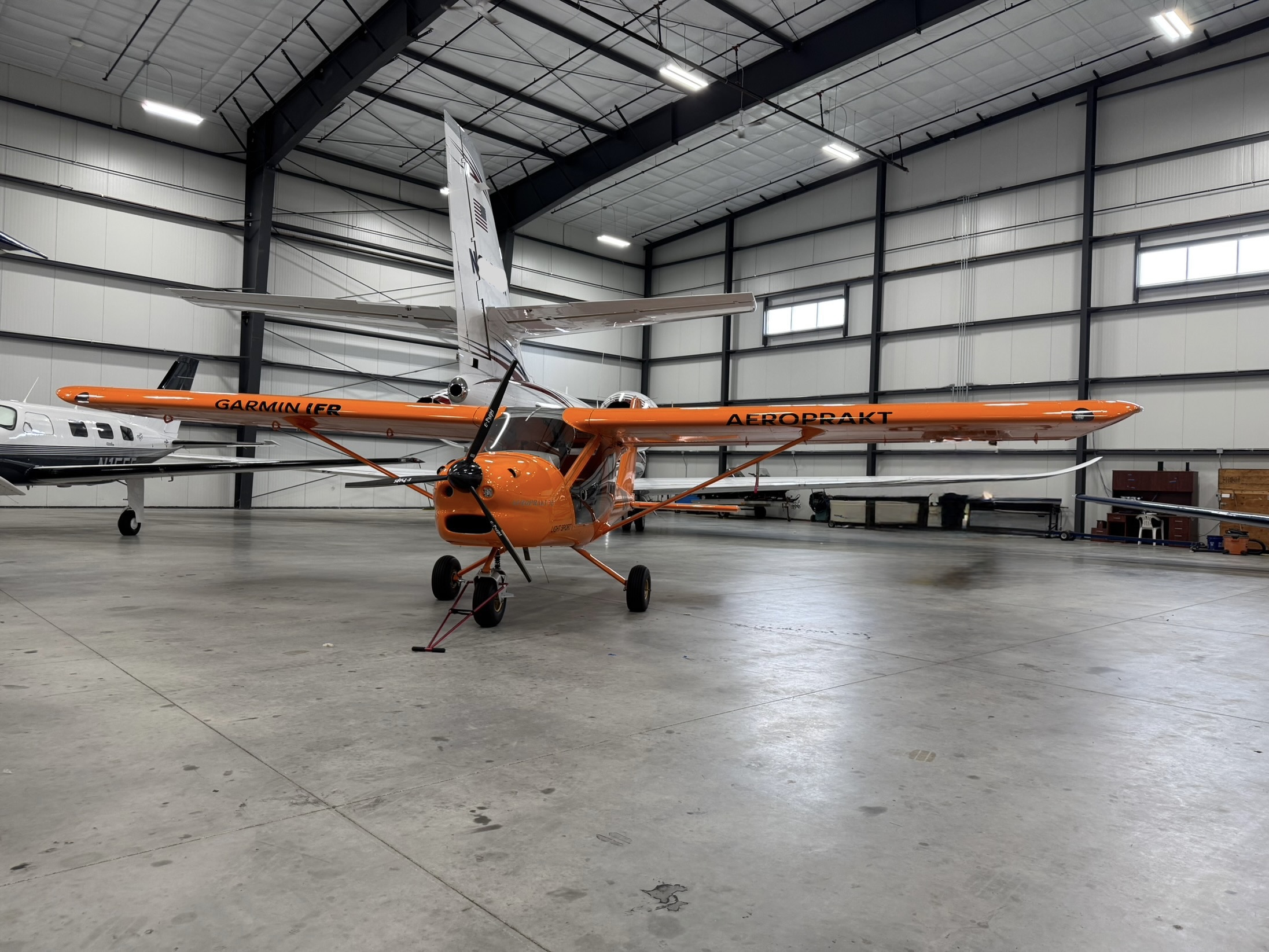
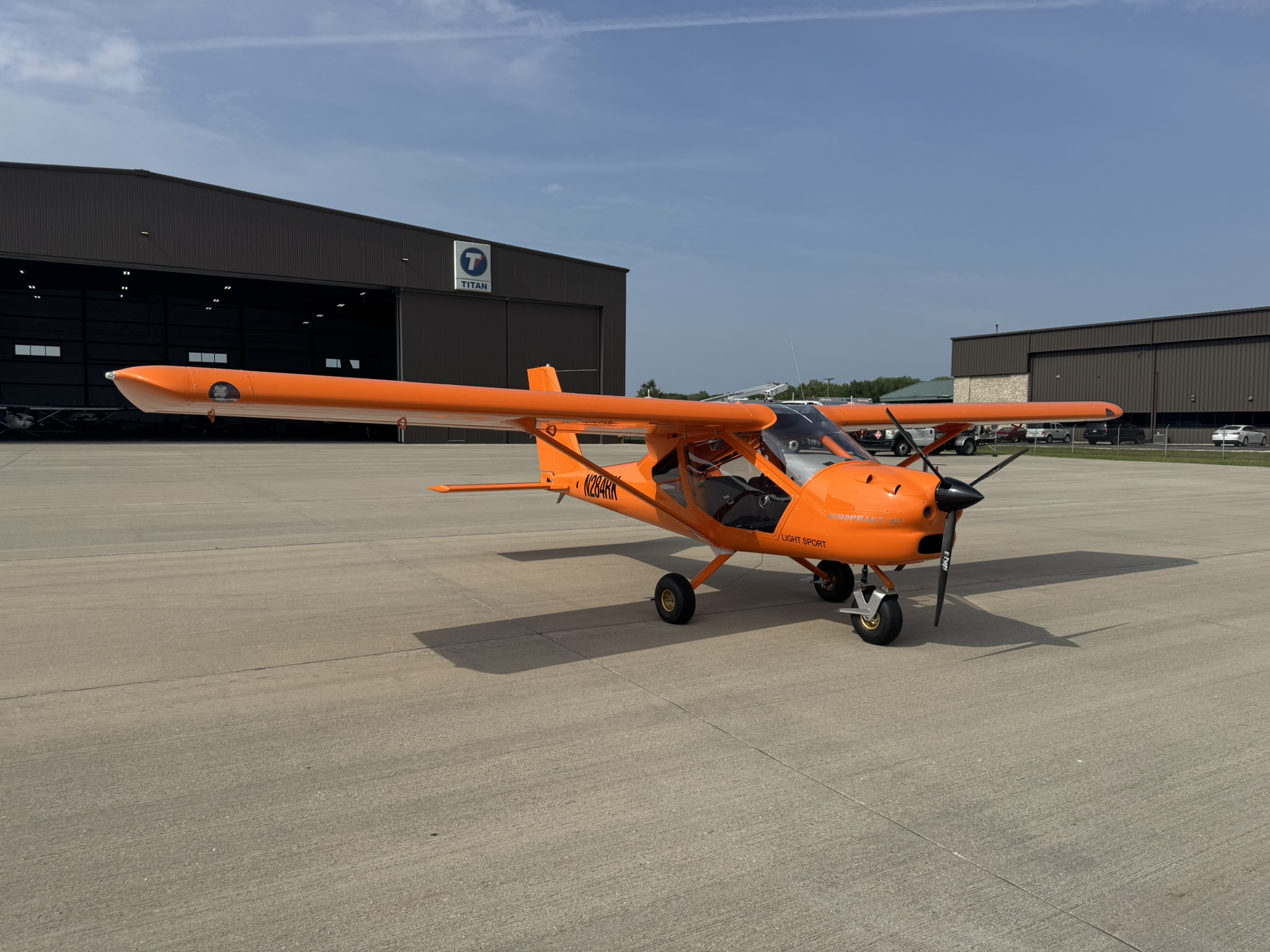
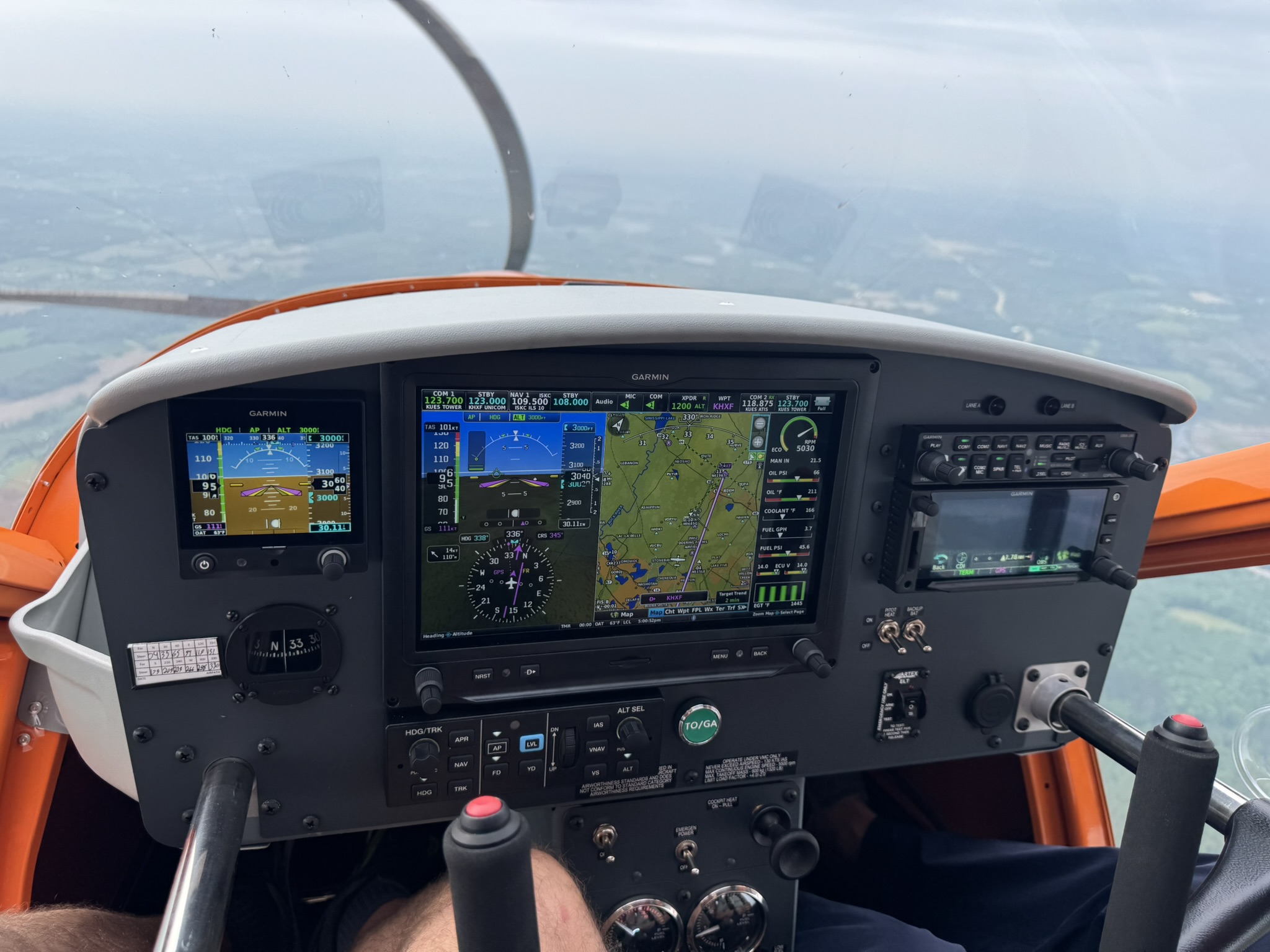
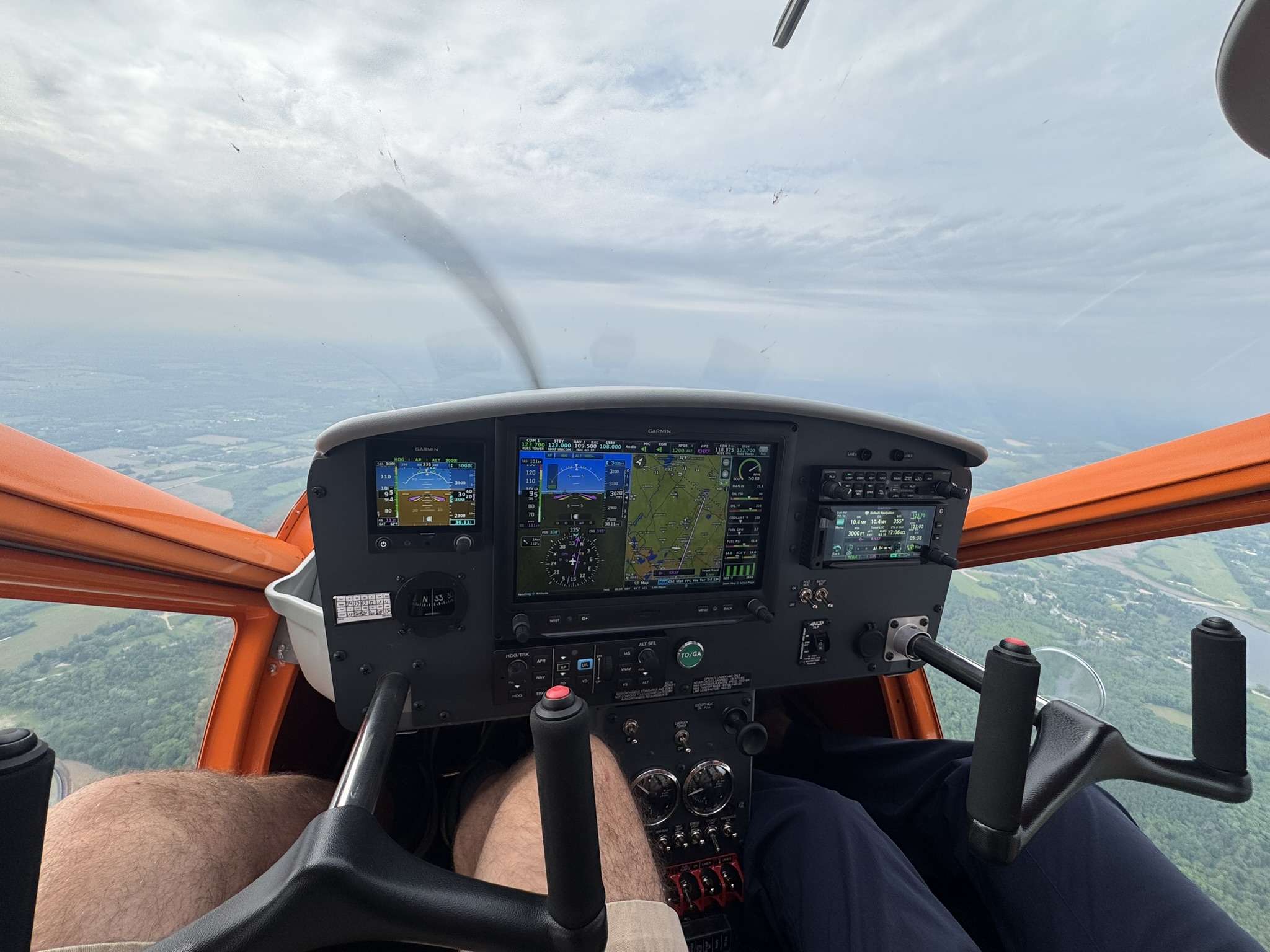
Aeroprakt A32
This is our brand new Garmin IFR Light Sport Aircraft. This plane was specifically configured with instrument training in mind. Garmin Avionics include G3X Touch, GTN650nxi Navigator, GFC500 Autopilot, and G5 Backup instrument. Qualifies as a Technically Advanced Aircraft (TAA) as well as a Light Sport Aircraft (LSA).
Usage: Rental, Light Sport, Private, IFR Training, Commercial Training, Flight Instructor, and Flight Instructor Instrument
Rental Rate: $195/hour wet


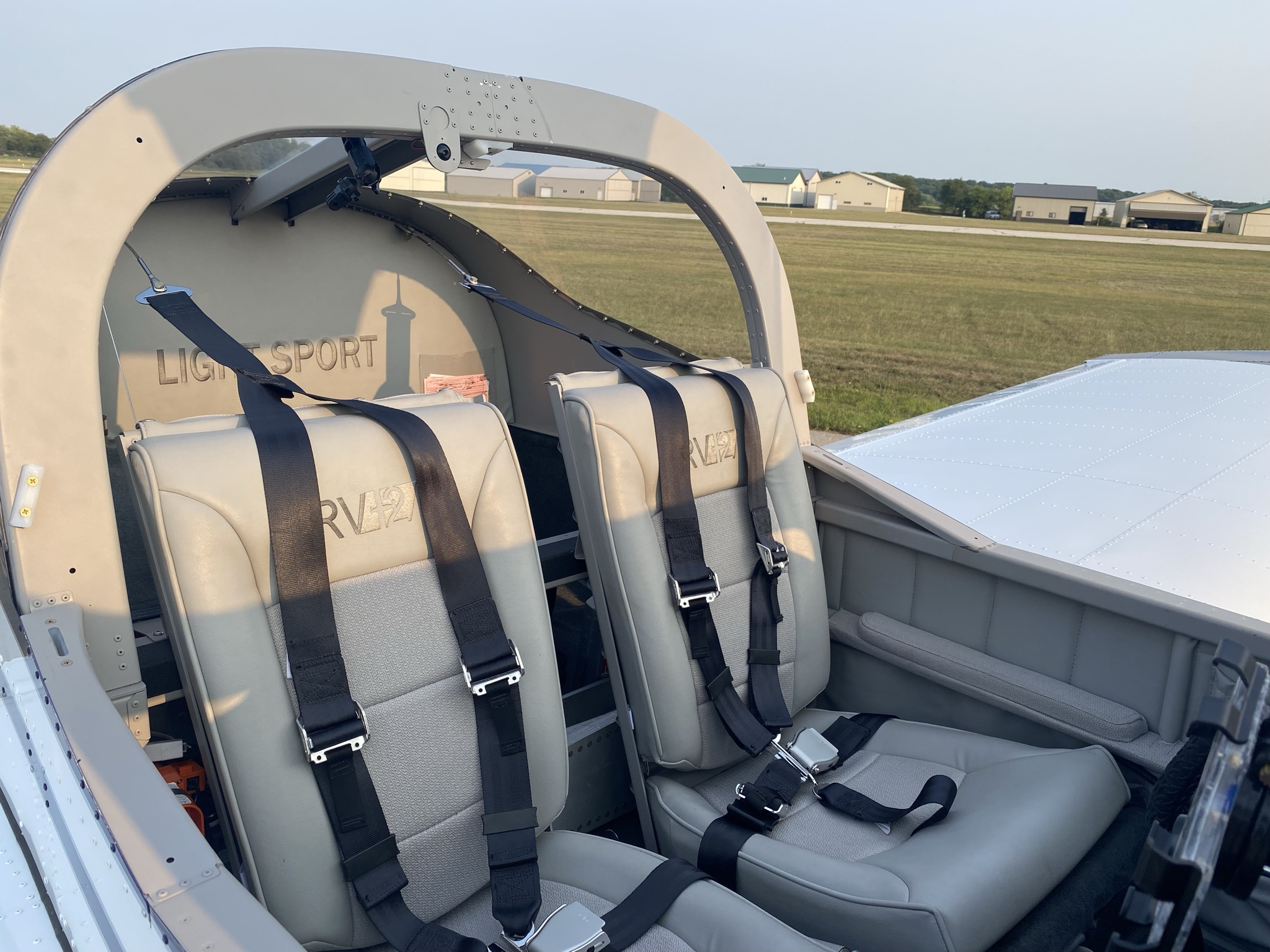
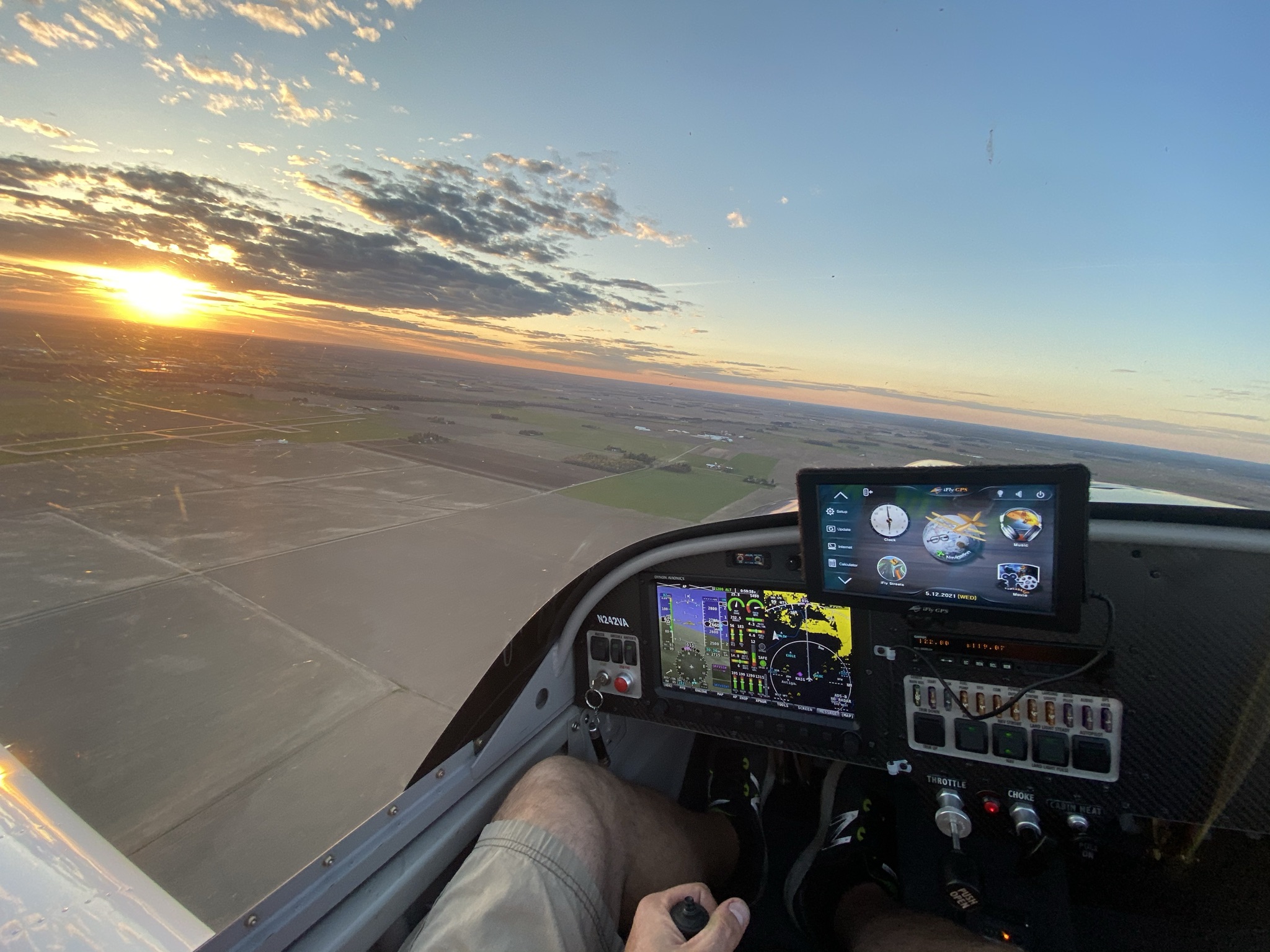
Vans RV-12
We have 2 Factory built RV-12 that are fully loaded with glass cockpit, PFD, MFD, moving map GPS, ADSB, 2 axis auto pilot, and much more. Qualifies as a Technically Advanced Aircraft (TAA) as well as a Light Sport Aircraft (LSA).
Usage: Rental, Light Sport Pilot Training, Private Pilot Training, Commercial Pilot Training, and Flight Instructor Training.
Rental Rate: $165/hour wet


Cessna 182H
This 1964 Cessna 182H Skylane Technically Advanced Aircraft (TAA) is a reliable, versatile high-wing aircraft. Powered by a Continental O-470-R engine the 182 is known for its docile handling, spacious cabin, and reliability.
Usage: Rental, High Performance, Instrument, Commercial Pilot Training, Flight Instructor, and Flight Instructor Instrument.
High Performance Package Available – Call for more info.
Rental Rate: ~$190/hour wet HOBBS time (bills using $210/hour tach).
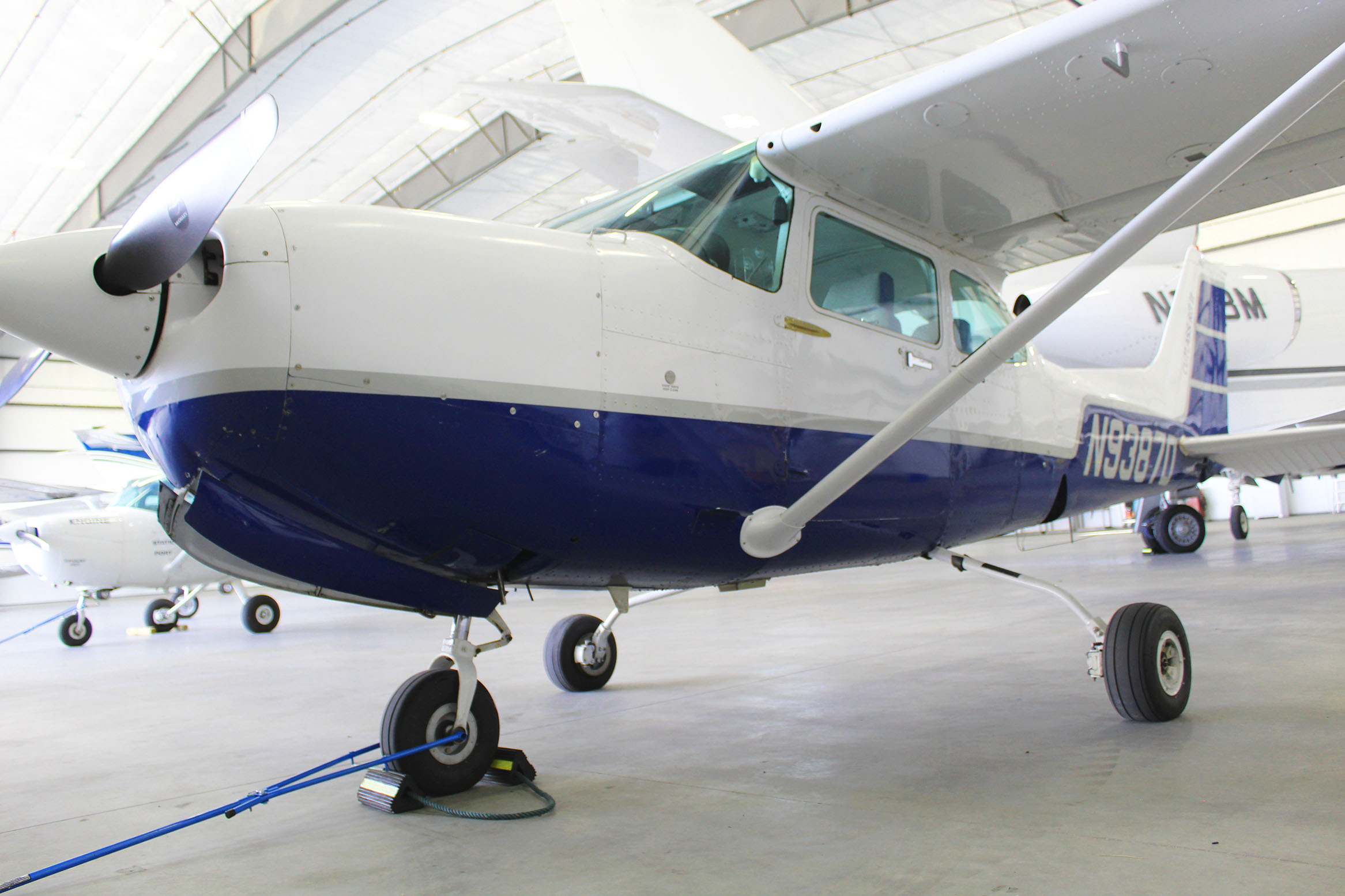
Cessna 172 RG
This Cessna is an amazing complex aircraft with retractable gear, constant speed propeller, auto pilot, GPS, etc.
Usage: Rental (Minimum Private Pilot), IFR Training, Commercial Training, Complex Training, and Flight Instructor
Rental Rate: $175/hour wet

Cessna 150
Well cared for Cessna 150 is a great aircraft for getting your Private Pilots License, building time, or just having some fun on a flight.
Usage: Rental and Private Pilot Training
Rental Rate: $130/hour wet
Flight Instruction - $75/hr
Aircraft Specific Questions
Being a complex aircraft with the retractable gear and controllable pitch propeller doesnt make it the most productive aircraft for training.
The RV-12 is equiped with a glass cock pit that displays the Primary Flight Display (PFD), Multi-function Flight Display (MFD), and a moving map GPS. Combine this with the integrated 2-axis auto pilot and the aircraft meets the Technically Advanced Requirements (TAA) for the commercial rating. This TAA time can be used in place of the complex time.
Instrument, commercial, complex, flight instructor, and biannual flight reviews all can be performed in the RG.
What are the training requirements?
Below is a high-level summary of the training requirements that the FFA requires to become a pilot. You can find the official numbers directly off the FAAs Website. You will become familiar with these requirements as you progress through your flight training.
- Light Sport Pilot
- Private Pilot
- Commercial Pilot
| Light Sport Pilot | Private Pilot | Commercial Pilot | |
FAR 61.305 & 61.313 | FAR 61.103 & 61.109 | FAR 61.129 | |
| FAA Knowledge (Written) - Test | Required | Required | Required |
| Min. Medical Requirements | Drivers License | 3rd Class Medical | 2nd Class Medical |
| Total Flight Time | 20 Hrs | 40 Hrs | 250 Hrs (100 PIC) |
| Dual Instruction | 15 Hrs | 20 Hrs | 20 Hrs |
| Night | - | 3 Hrs | 2 Hrs 100NM Straight |
| Instrument | - | 3 Hrs | 10 Hrs |
| Total Solo Time | 5 Hrs | 10 Hrs | 10 Hrs |
| Solo Cross Country | X1 75NM flight | 5 Hrs | 50 Hrs >50NM |
| Dual Cross Country | 2 Hrs | 3 Hrs | 2 Hrs 100NM Straight | FAA Website | FAA Website | FAA Website |
*Note: The above numbers are for reference see the FAAs website for additional details on requirements under part 61.
Do I Get Started?
Getting started is easy. It all starts with a Discovery Flight were you and your instructor take your first flight and determine your interest level.
Give us a call 262-225-3440 or fill out the request form and we’ll get in touch with you.
How does flight training work?
The instructor, the student, the aircraft, and your study material(s) are the key ingredients in the flight training process. Once your passed your Discovery Flight, your training will look something like this;
- Briefing: Review the plan for the flight, associate any ground training, Q&A, and establish a game plan.
- Execute Flight: Perform the tasks discussed in the briefing
- Debrief: Discuss flight. What went well, focus areas, plan for next flight, and topics to self study.
- Scheduling: Schedule and confirm next lessons. Steins Aircraft uses Flight Circle Click here to request access to our Flight Schedule for training.
Frequently Asked Questions
Training and Process Related Questions
All of our training schedule is managed by a tool called Flight Schedule Pro. You can access this from the app on your phone or from your web browser by going to www.flightschedulepro.com.
Each of us are unique as we all learn and retain information differently. This is largely why there is no blanket hard fast number on the costs of your flight training. That said here are a few tips to keep your training costs under control.
- Consistency – There is a strong connection between the number of times you train each week and your ability to advance through the training efficiently. If your looking at purely optimizing your training schedule 2-5 (1 hour flight) lessons scheduled each week. This will keep things fresh and you should have some good consistency in the event of a lesson cancelation. As you advance you will start going over 1 hour, but starting off your brain will become overloaded and you will hit a learning plateau.
- Written Test Prep – Some instructors prefer/recommend that you have your written tests completed prior to starting your training. While this can be good, if your the type that can remember all this content. Then pull it out of the brain storage area and apply it to the training environment. Another effective method is to get a jump start on your written test prep, by reviewing the syllabus or training plan with your instructor and learning about what topics you should hone in on. This will help correlating it to the next several lessons and solidifying that knowledge. The advantage to this is you’ll be able to read, interpret, correlate, and apply this knowledge to the real world. Now your not memorizing, you’re truly learning.
- Knowing What’s Next – Understand what to focus on with your next lesson is an imperative way to optimize your learning experience. If you can go home review those topics in one of the FAA sources, YouTube, or other online ground schools. Your going to be familiar with the content prior to meeting your instructor ask your questions, then go do your lesson and solidify the knowledge/skill.
Absolutely. As long as you meet the Private Pilot Requirements you can take the Private Pilot Checkride and get your new certificate.